
Does Medicare Cover Durable Medical Equipment at Home?
Medicare Part B covers medically necessary durable medical equipment for home use, but only when a doctor prescribes it and a Medicare-enrolled supplier furnishes it. Your first move: get a written prescription or certificate of medical necessity, then confirm supplier participation through Medicare Care Compare or by calling 1-800-MEDICARE before anything is delivered.
Key Takeaways
Medicare Part B pays for medically necessary durable medical equipment used at home, but only through Medicare-enrolled suppliers who accept assignment on your specific claim.
Point Details DME must meet five conditions Durable, medical in purpose, useless without illness or injury, home-appropriate, and (post-2012) rated for three-plus years of use. Coinsurance is 20% after deductible You pay a share of the Medicare-approved amount after your Part B deductible is met, if the supplier accepts assignment. Rentals can convert to ownership Many capped-rental items transfer ownership to you after 13 continuous months of rental payments. Assignment must cover the full period Confirm in writing that your supplier accepts assignment for the entire rental term, not just at delivery. Local broker support fills the gaps Simply Insurance helps Colorado residents verify suppliers, manage paperwork, and navigate Medicare Advantage differences on DME.Where to Verify Official Medicare DME Rules
- CMS DMEPOS policy pages for payment rules and fee schedules.
- Medicare for plain-language coverage basics.
- NCD Durable Medical Equipment Reference List for item-by-item coverage status.
- Publication 11045 for the full beneficiary booklet on DME rules.
Table of Contents
- What Counts as Medicare Durable Medical Equipment?
- Who Qualifies for Medicare DME Coverage and What Paperwork Do You Need?
- What Will You Actually Pay for DME Under Medicare?
- How Do You Find and Verify a Medicare-Enrolled DME Supplier?
- What Mistakes Cost Beneficiaries the Most Money?
- How Do You Actually Get DME Covered, Start to Finish?
- Sources
What Counts as Medicare Durable Medical Equipment?
Not every medical item you buy for home use qualifies as durable medical equipment (DME). Medicare uses five conditions to decide, and equipment classified after January 1, 2012 must also have an expected life of at least three years to count.
To qualify, an item generally has to:
- Withstand repeated use rather than being disposable
- Serve a primarily medical purpose
- Be useless to someone who isn’t sick or injured
- Be appropriate for use in the home
- Have an expected lifespan of three years or more, if classified after 2012
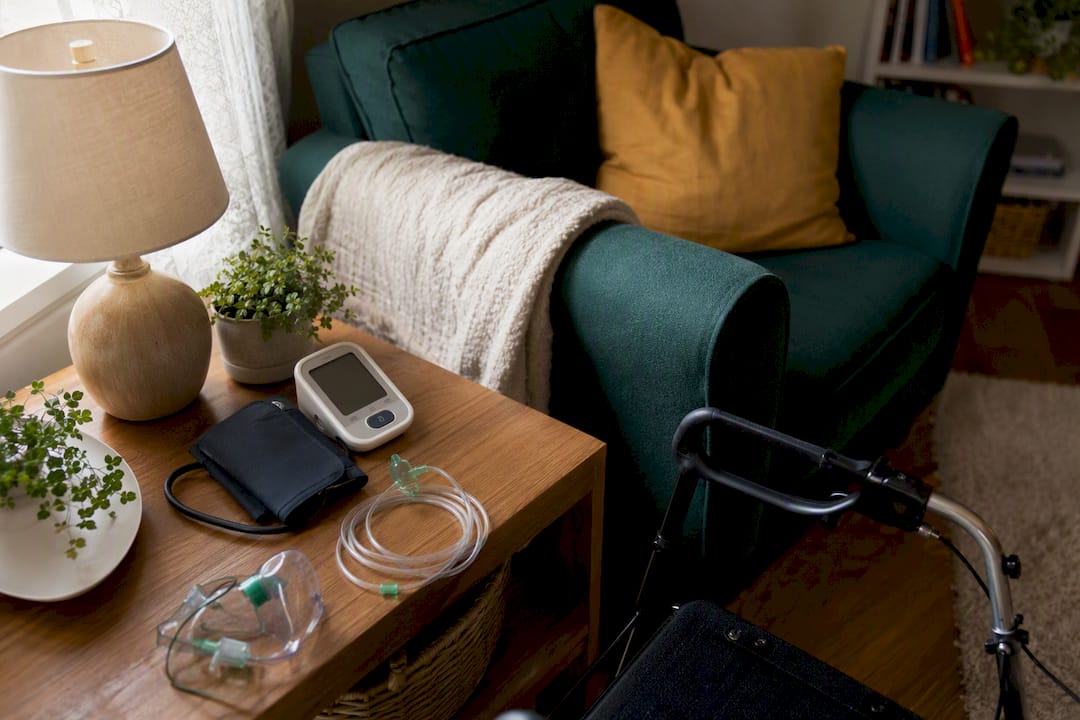
Once an item clears those hurdles, it lands in one of several familiar categories. Wheelchairs, walkers, and hospital beds are the classics. Oxygen equipment and CPAP machines for sleep apnea show up constantly in claims. So do infusion pumps, prosthetics, orthotics, and diabetic testing supplies like blood glucose monitors and lancets.
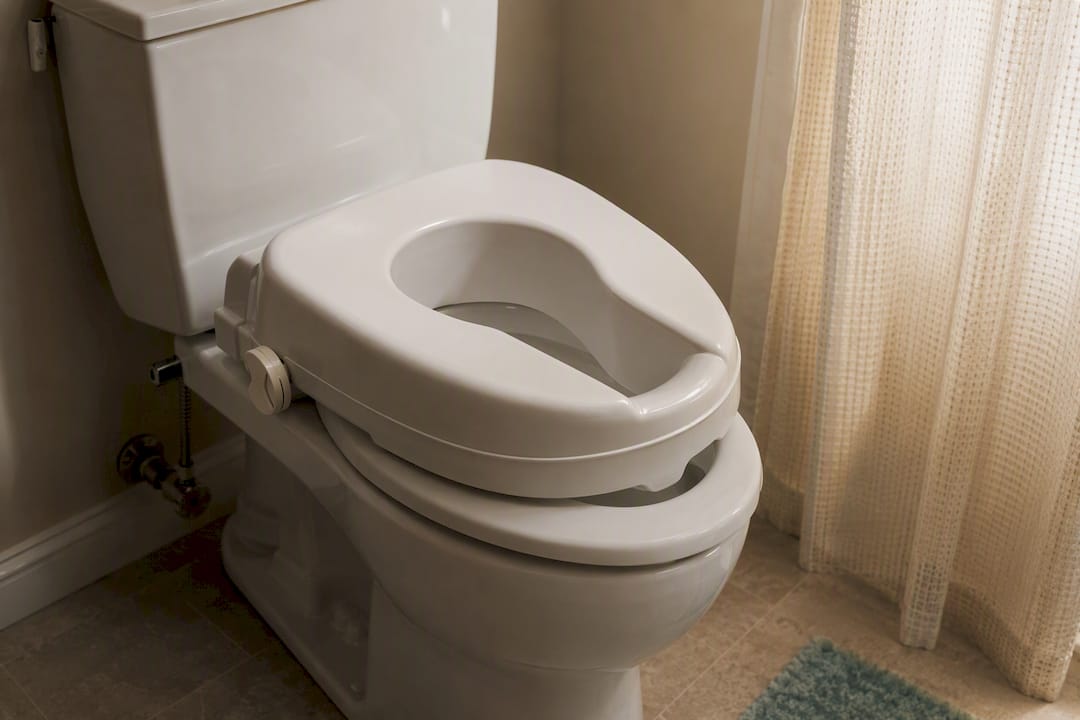
What gets left out matters just as much. Environmental control devices, such as air cleaners or air conditioners, don’t qualify even if a doctor thinks they’d help your breathing, because Medicare treats them as general household comfort items rather than medical devices. Basic consumer goods, like a raised toilet seat someone buys at a drugstore, usually fall into the same excluded bucket unless a specific coverage exception applies.
Who Qualifies for Medicare DME Coverage and What Paperwork Do You Need?
Part B coverage kicks in once a physician or other qualified provider writes an order for equipment you’ll use in your home. That prescription, sometimes called a certificate of medical necessity, is the document that turns a want into a covered need in Medicare’s eyes.
The supplier side matters just as much as the prescription. Suppliers need an active Medicare supplier number to bill Medicare at all, and their participation status determines what you’ll pay:
- Participating suppliers accept assignment, meaning they agree to Medicare’s approved amount as full payment.
- Non-participating suppliers can charge more, and you may have to pay the difference yourself.
- Certain items require additional documentation or prior authorization before Medicare will pay a claim.
Coverage isn’t always a simple yes or no for every product on the market. The Durable Medical Equipment Reference List, a national coverage determination CMS maintains, spells out which categories are covered outright. For anything not explicitly addressed there, your regional DME Medicare Administrative Contractor applies its own local coverage determination, which is why two similar-looking claims can get different answers depending on the specifics of your diagnosis.
What Will You Actually Pay for DME Under Medicare?
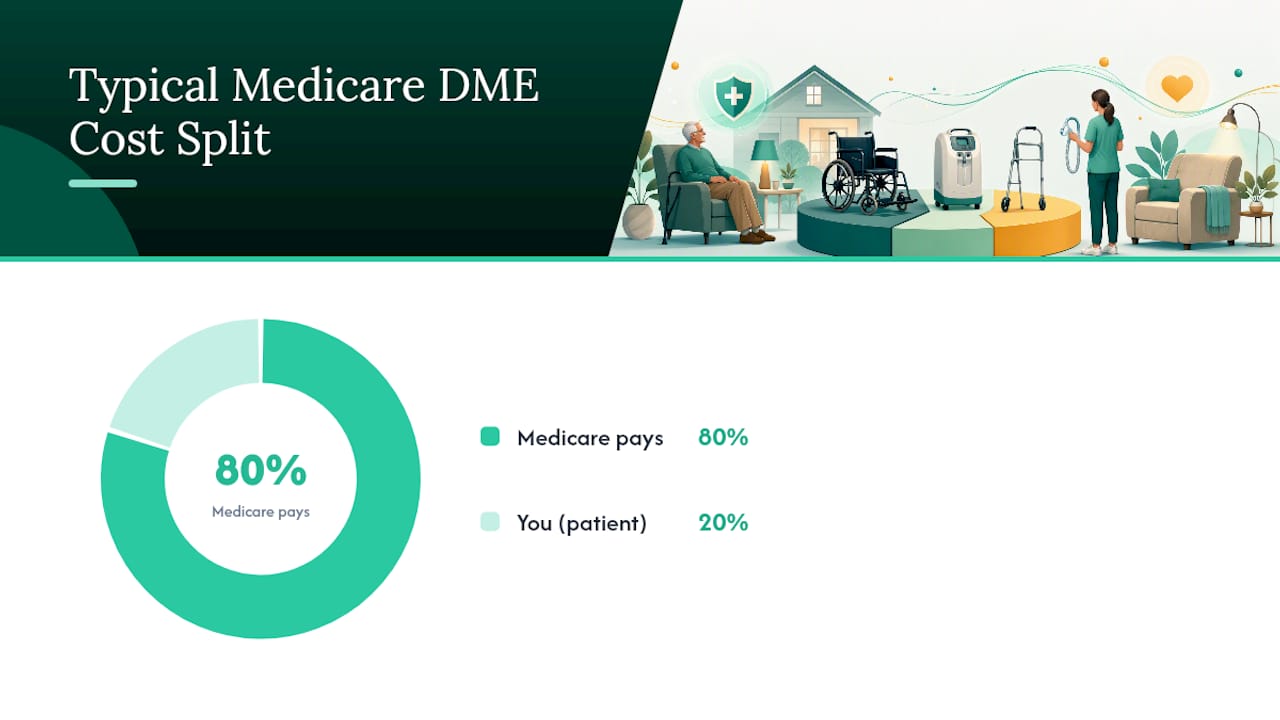
Here’s the number that matters most: after you meet your annual Part B deductible, you typically pay 20% of the Medicare-approved amount for covered equipment, as long as your supplier accepts assignment. Skip that step and a non-participating supplier can bill you well above that approved amount, with no cap protecting you.
Rental versus purchase depends on the item. Expensive equipment like power wheelchairs is often set up as a capped rental, and ownership can transfer to you after 13 continuous months of rental payments, according to CMS. Oxygen equipment runs on its own separate payment and rental timeline, which is worth clarifying with your supplier up front rather than assuming it mirrors a wheelchair rental.
Repairs follow the ownership line pretty cleanly:
- If you own the equipment outright, Medicare generally pays 80% of the approved repair cost, and you cover the rest.
- If you’re still renting, monthly rental payments usually include servicing, so a separate repair bill shouldn’t show up.
Pro Tip: Ask your supplier in writing whether servicing is bundled into the rental payment before you sign anything. That single question prevents most of the surprise bills people report months into a rental.
How Do You Find and Verify a Medicare-Enrolled DME Supplier?
Finding a supplier is easy. Confirming they’ll actually protect you financially takes a few extra minutes that pay off later.
- Search Medicare’s official directory. Use Medicare Care Compare or call 1-800-MEDICARE to pull up suppliers enrolled in your area, and check their active supplier number.
- Confirm assignment for the entire rental period, not just the first month. A supplier that accepts assignment on delivery but not on month six of a capped rental can still leave you exposed to balance billing.
- Ask direct questions before delivery: What are the rental terms? Who handles repairs and pickup? Can you get a written quote or contract?
- Call your State Health Insurance Assistance Program (SHIP) for free, unbiased counseling if a claim gets denied or a supplier dispute drags on, or reach out to a licensed Medicare broker when your situation involves a Medicare Advantage plan with different DME rules than Original Medicare.
What Mistakes Cost Beneficiaries the Most Money?
The single most expensive mistake is skipping the assignment check. Beneficiaries assume every Medicare supplier automatically accepts assignment, and plenty don’t, which opens the door to balance billing that can run into hundreds of dollars on a single piece of equipment.
Two other patterns show up again and again:
- Not keeping a copy of the prescription or physician’s order, which becomes a problem the moment a claim gets questioned.
- Losing track of how many months an item has been rented, then getting confused about why a bill suddenly changes once ownership transfers.
The fix for all three is the same: get supplier participation and assignment confirmed in writing before delivery, keep every document related to the order, and note your rental start date somewhere you’ll actually remember to check it.
How Do You Actually Get DME Covered, Start to Finish?
- Get the prescription. Visit your doctor or qualified provider and get a written order or certificate of medical necessity specifying the equipment and the medical reason for it.
- Find and vet a supplier. Confirm the supplier is Medicare-enrolled, accepts assignment for the full rental or purchase period, and put the rental terms in writing.
- Track the details and appeal if needed. Pay your coinsurance after the deductible, log your rental months, and if a claim gets denied, you can request review through your DME MAC, file a formal Medicare appeal, or call your local SHIP office for guidance on next steps.
When should you call a licensed broker instead of handling this alone?
Most straightforward DME claims, a walker or a standard wheelchair, don’t need outside help. But complex equipment, a supplier dispute over assignment, or confusion about how a Medicare Advantage plan handles DME differently than Original Medicare are exactly the situations where a second set of eyes saves time and money. That’s the gap Simply Insurance fills for Colorado residents: verifying supplier participation, walking through paperwork, and staying available for ongoing enrollment support long after your initial decision. We’re transparent about what we do and don’t handle, and we’d rather point you to SHIP than pretend to solve something outside our lane.
— Zach
Get Local Help Verifying Your Medicare DME Coverage
Sorting out whether a supplier accepts assignment, how many months are left on a capped rental, or whether your Medicare Advantage plan handles CPAP coverage differently than Original Medicare takes time most people don’t have to spare. Simply Insurance gives Castle Rock, Centennial, and Denver-area residents a local, independent broker who checks these details for you at no direct cost, since we’re paid by the carrier when you enroll, not by you.

If you’re heading into an equipment purchase, a plan renewal, or you just got a denial letter you don’t understand, our Medicare Guide walks through the most common coverage questions, and a quick call gets you a real answer from someone licensed to give one. Schedule a free consultation and bring your questions. We’ll tell you plainly what’s covered, what it’ll cost, and what to ask your supplier before you sign anything.
Sources
- Durable Medical Equipment (DME) policy details | CMS
- Medicare
- Medicare
- NCD - Durable Medical Equipment Reference List (280.1) | CMS
- Medicare