
Publication time reported by BabyLoveGrowth, shown in Mountain time. This is not an independently measured first appearance on this website.

Avoid Urgent Care Surprise Bills: Medicare and the $283 Deductible
Yes. Original Medicare’s Part B covers medically necessary urgent care for sudden, non-life-threatening problems, and Medicare Advantage plans must cover it too. Under Original Medicare, you’ll typically pay the annual Part B deductible, then 20% coinsurance on the approved amount. Advantage plans usually swap that for a flat copay. Either way, confirm the clinic accepts your coverage before you’re sitting in the waiting room.
TL;DR:
- Medicare covers urgent care for conditions that are sudden and necessary, with most plans requiring confirmation of medical necessity.
- Original Medicare charges a $283 deductible plus 20% coinsurance, while Medicare Advantage plans typically impose a flat copay between $25 and $75.
- Verifying clinic participation and acceptance of your specific plan before the visit reduces billing disputes and unexpected costs.
- Hospital-affiliated urgent care centers may bill as outpatient hospitals, adding facility fees beyond standard coinsurance.
- Non-participating providers can balance-bill for the difference, leading to higher bills if the clinic does not accept Medicare assignment.
Table of Contents
- What Does Urgent Care Medicare Coverage Actually Include?
- Original Medicare vs. Medicare Advantage: Who Pays What?
- How Do You Confirm a Clinic Accepts Your Coverage?
- Why Do Urgent Care Bills Sometimes Cost More Than Expected?
- What Won’t Medicare Pay for at Urgent Care?
- How Does Simply Insurance Help You Avoid Urgent Care Billing Surprises?
- What Medicare Beneficiaries Should Take Away From This
- Get Help Choosing the Right Medicare Coverage for Urgent Care
- Where to Verify Medicare’s Urgent Care Rules Yourself
- Sources
What Does Urgent Care Medicare Coverage Actually Include?
Medicare urgent care benefits kick in for problems that need attention fast but aren’t life-threatening. Think of it as the tier between “wait for your primary care appointment” and “call 911.”
Common visits that fall under urgently needed care include:
- Minor cuts requiring stitches
- Sprains, minor fractures, or joint pain from a fall
- Ear infections, sinus infections, and similar minor illnesses
- Simple X-rays or basic lab work done during the visit
- Wound care and dressing changes
- Short-term prescriptions written on the spot
The dividing line between urgent care and the emergency room isn’t the building you walk into. It’s whether the condition threatens your life or a limb. Chest pain, difficulty breathing, stroke symptoms, or severe bleeding mean the ER, every time, regardless of what your Medicare Advantage plan’s copay chart says about urgent care visits.
Medical necessity is the real gatekeeper here, not the clinic’s name on the sign. Medicare asks whether the service was reasonable and necessary to diagnose or treat your condition. A doctor documenting why you needed that X-ray matters more than whether you went to a strip-mall urgent care or a hospital-run clinic. If the visit reads as routine rather than urgent, coverage gets shakier fast, which is exactly the kind of gap worth understanding before you need care, not after.
Original Medicare vs. Medicare Advantage: Who Pays What?
The coverage exists either way. The math around what lands in your wallet is where things diverge.
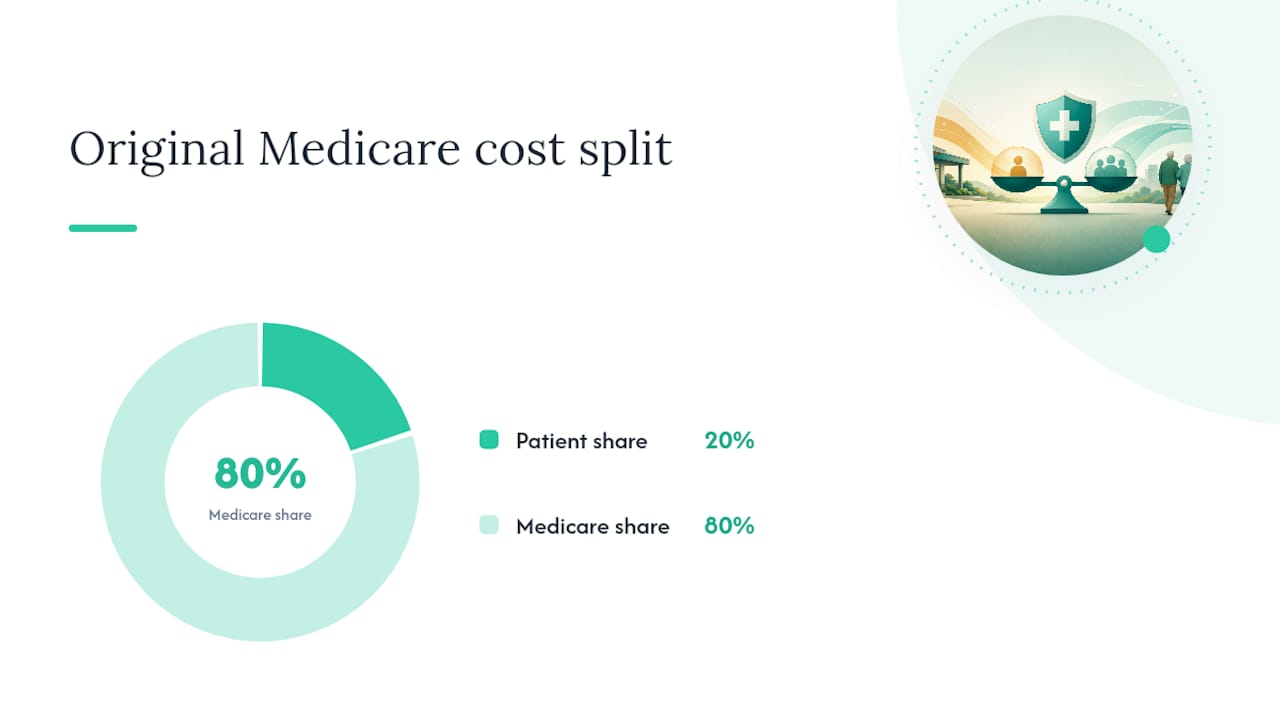
With Original Medicare, Part B treats urgent care like any other outpatient medical service. You pay the 2026 Part B deductible of $283 first if you haven’t already met it that year. After that, you owe 20% of the Medicare-approved amount, and Medicare covers the other 80%. If the urgent care center is technically part of a hospital’s outpatient department, rather than a freestanding clinic, you may owe an additional hospital outpatient copay on top of that coinsurance.
With a Medicare Advantage plan, the insurer sets its own cost-sharing structure. A few things to know:
- Most Advantage plans charge a flat copay for urgent care, often somewhere between $25 and $75, though this varies by plan.
- Plans can require network providers, and going out of network may cost more or not be covered at all.
- Traveling outside your plan’s service area still qualifies for urgent care coverage under federal rules, but confirming this before a trip saves headaches.
- Follow-up care after the urgent care visit may need prior authorization depending on the plan.
That’s the appeal of pairing Part B with a supplement: predictable costs, fewer surprise bills, and no network to worry about.
How Do You Confirm a Clinic Accepts Your Coverage?
Skipping this step is how people end up disputing bills weeks later. A few minutes on the phone beforehand solves most of it.
- Search Medicare’s Care Compare tool or your Advantage plan’s provider directory before you head out, if the situation allows it.
- Call the clinic directly and ask two specific questions: “Do you accept Medicare assignment?” and, if applicable, “Do you accept [your plan name]?”
- Ask whether the clinic is freestanding or hospital-affiliated, since that affects your copay.
- If you’re on an Advantage plan, ask what your expected copay will be for the visit type you need.
Pro Tip: Save your plan’s member services number in your phone before you need it. Calling ahead takes two minutes and beats disputing a bill for two months.
If you’re traveling, know that urgent care and emergency coverage generally follows you nationwide under both Original Medicare and Advantage plans, but routine out-of-network care usually doesn’t. When in doubt on the road, treat it as urgent, not routine.
Why Do Urgent Care Bills Sometimes Cost More Than Expected?
Surprise bills at urgent care almost always trace back to one of three things: where the clinic is affiliated, whether it accepts Medicare at all, or missing paperwork.
Hospital-affiliated urgent care centers can bill as outpatient hospital departments, which means you might owe a facility fee on top of your normal Part B coinsurance. Some independent urgent care centers also choose not to accept Medicare assignment, and non-participating providers are allowed to balance-bill you for the difference between their charge and Medicare’s approved amount.
If a bill looks wrong:
- Request an itemized statement before paying anything.
- Compare the billing codes against the actual reason for your visit.
- Keep your visit notes and receipts in one place, physical or digital.
- File a dispute or appeal through Medicare’s claims and appeals process if the charge still doesn’t add up.
One number worth remembering: after the $283 Part B deductible is met, your 20% coinsurance share applies to every subsequent Part B service that year, urgent care included, unless Medigap is covering it for you.
What Won’t Medicare Pay for at Urgent Care?
Medicare’s coverage stops where medical necessity stops. A visit gets denied when it reads as routine, elective, or cosmetic rather than urgent, regardless of the clinic’s billing code.
Watch for these scenarios:
- Routine physicals or wellness checks billed as urgent visits
- Cosmetic procedures, even minor ones performed at an urgent care center
- Services with no documented urgent condition behind them
- Requests for refills or paperwork with no accompanying acute complaint
Documentation is what separates a covered visit from a denied one. A clinician who clearly notes the sudden onset and the reasoning behind each test gives your claim a real chance; a vague chart note invites a denial letter. For a fuller rundown of exclusions, see what Medicare doesn’t cover.
How Does Simply Insurance Help You Avoid Urgent Care Billing Surprises?
Comparing Original Medicare plus Medigap against a Medicare Advantage plan isn’t a five-minute decision, especially when urgent care networks and copays vary so much plan to plan. Licensed brokers at Simplyinsuranceforyou walk Colorado residents through that comparison with actual plan documents in hand, not guesswork.
That support looks like:
- Reviewing a plan’s Summary of Benefits line by line for urgent care copays and network rules
- Helping you confirm whether a specific clinic participates with your plan before you’re stuck
- Annual plan reviews so your coverage still matches your health needs and usual providers
It’s the kind of groundwork most people don’t do until after a bad billing surprise.
What Medicare Beneficiaries Should Take Away From This
The short version holds up: Medicare covers urgent care when it’s medically necessary, Original Medicare runs on deductible-then-coinsurance, and Advantage plans run on a flat copay. Verify acceptance before you walk in, know your specific plan’s cost-sharing, and lean toward a freestanding clinic over a hospital-affiliated one when you have a choice. Keep your visit notes. Medicare.gov remains the final word when something looks off on a bill.
— Zach
Get Help Choosing the Right Medicare Coverage for Urgent Care
Reading through deductibles, coinsurance percentages, and plan-specific copays is one thing. Knowing which setup actually fits your health history and your usual clinics is another. Simplyinsuranceforyou works as your independent Medicare broker in Castle Pines and across Colorado, comparing Original Medicare plus Medigap against Medicare Advantage plans side by side so you’re not guessing at urgent care costs after the fact.

When you reach out, expect a straightforward conversation: a licensed broker reviews your current coverage, checks how nearby urgent care centers and hospitals fit into the plans available to you, and flags where a plan switch might lower your out-of-pocket exposure. There’s no cost to you for this guidance since brokers are paid by the carriers, not by you. Visit Simplyinsuranceforyou’s services page to schedule a plan comparison and get your urgent care coverage questions answered before you need to use it.
Where to Verify Medicare’s Urgent Care Rules Yourself
- Medicare explains covered services and billing distinctions directly from the source.
- CMS’s 2026 Part B fact sheet confirms the current deductible and coinsurance figures.
- Care Compare lets you search for providers that participate with Medicare before you book a visit.
- Medicare’s claims and appeals guide walks through disputing a bill you believe was charged incorrectly.
This article is general information, not a substitute for advice from a qualified financial advisor. Consult a qualified financial professional about your own circumstances before acting on anything here.